Performance Improvement Plan (PIP) Guide for Managers
Learn how to run an effective Performance Improvement Plan (PIP) by diagnosing root causes, setting measurable goals, and supporting junior engineers fairly.
Paceflow keeps delivery data, peer feedback, and 1:1 history together all year. When it's time to write reviews, the evidence is already there.
Free for teams up to 7. Connect Jira or GitHub and see your team in about five minutes.


Used by engineering teams at

Important work gets scattered across Jira, GitHub, Slack, 1:1s, and meetings. By review time, you are left trying to piece together what happened months ago.
Paceflow brings that context together so you can have better performance conversations without reducing engineers to a number.

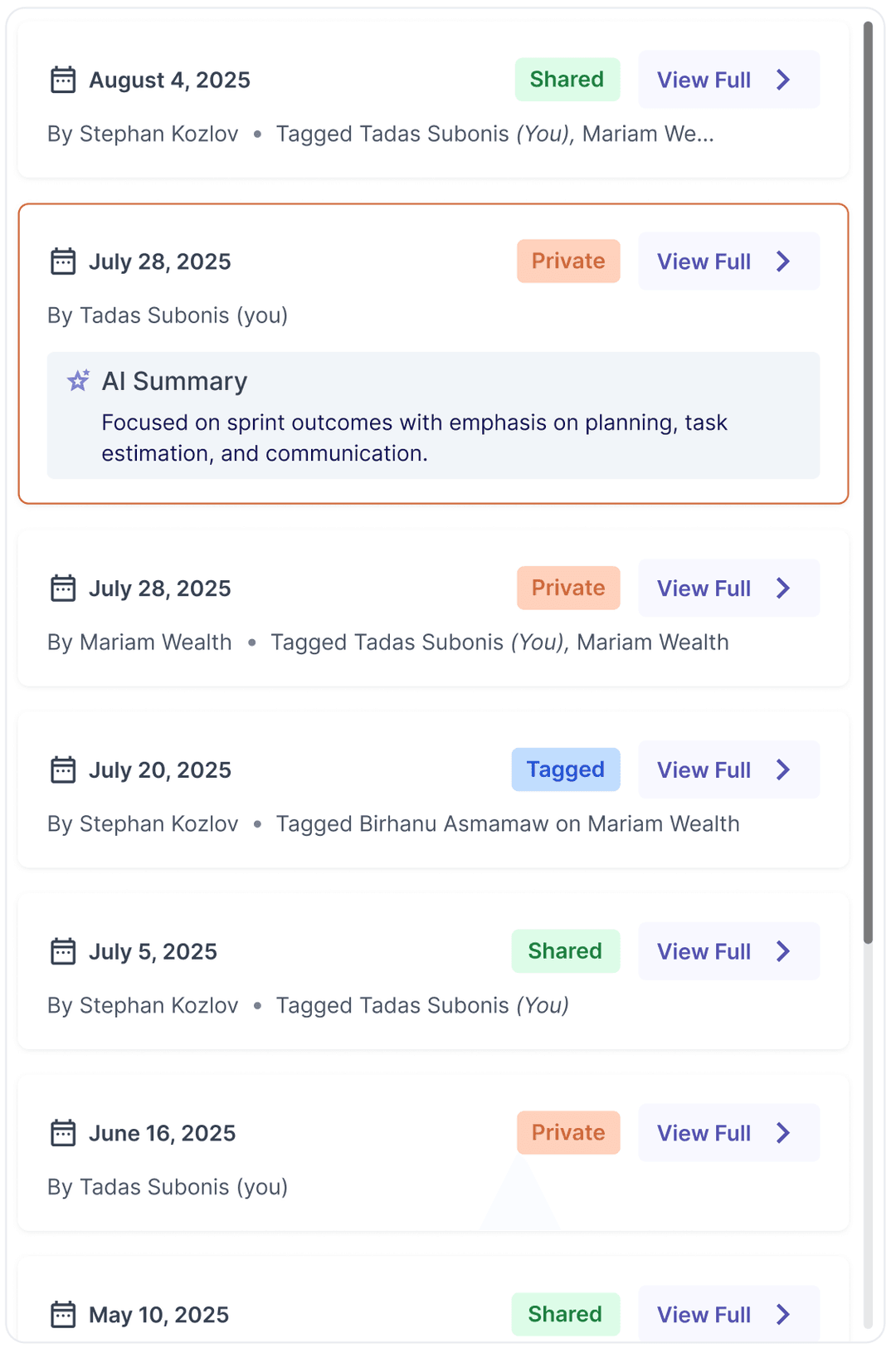
Specific, dated examples instead of impressions. When you tell someone they're ready for the next level, you can show why. When you tell someone they aren't, the conversation holds.

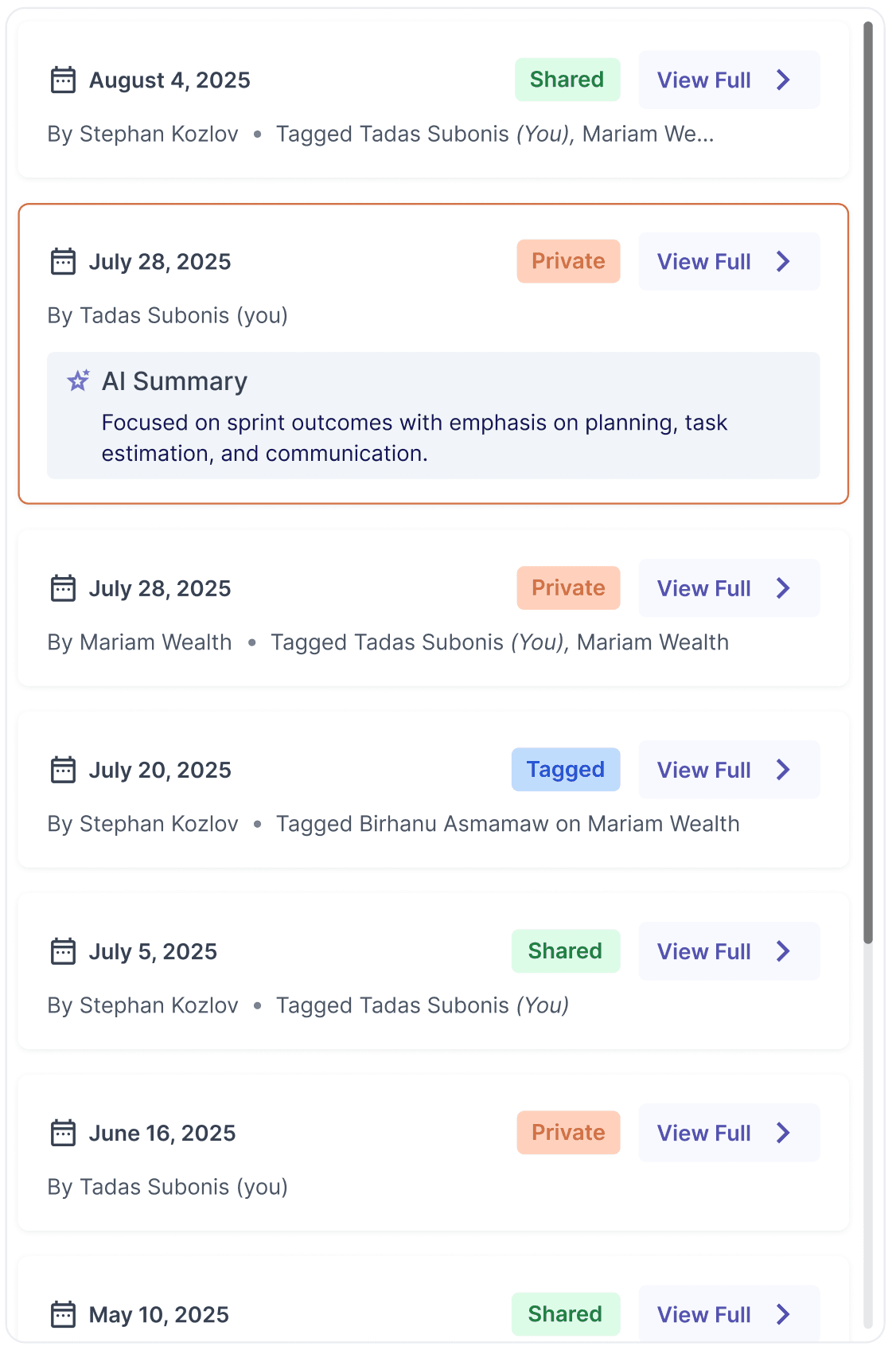
Walk in already knowing what shipped since you last met and what you promised at the end of it. The half hour goes to the person instead of the status update.

Level expectations written down once, so "what does senior mean here" has the same answer in January and in September, and so does your answer to the person asking.
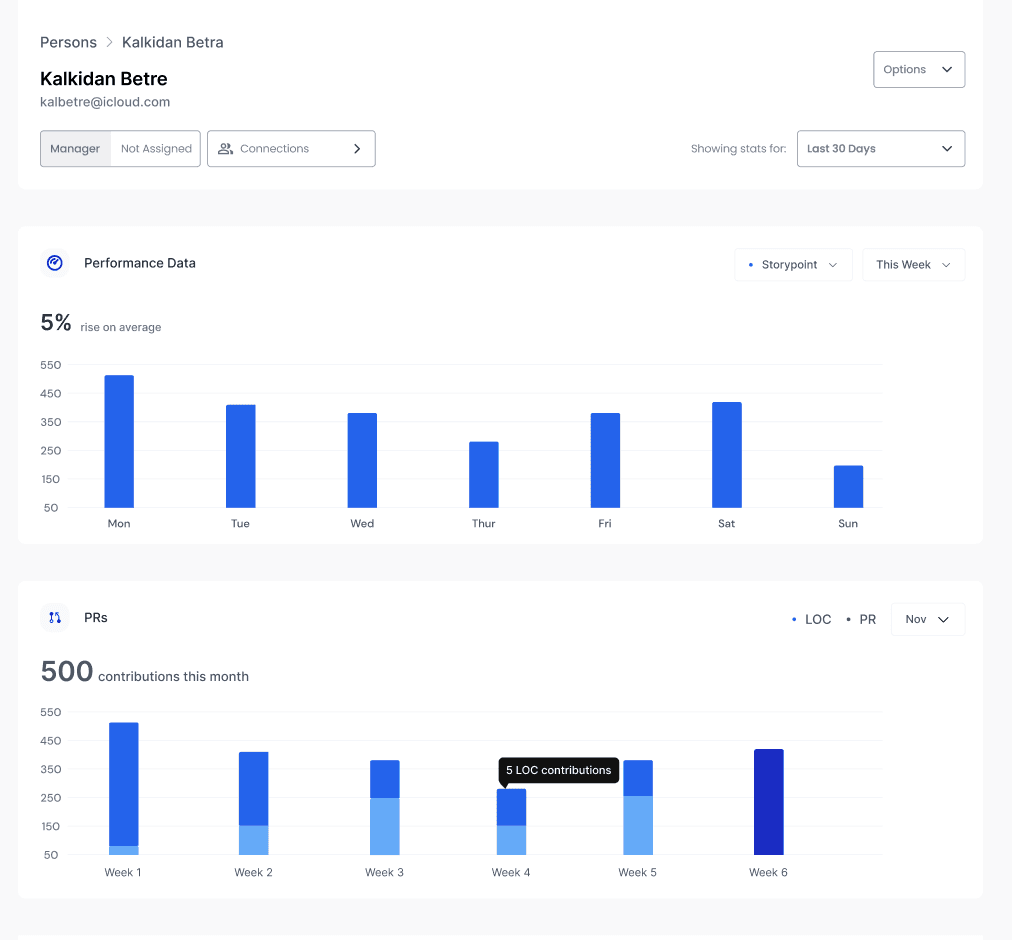
Read delivery signals from Jira, Linear, ClickUp, GitHub, and Bitbucket without asking anyone to update another spreadsheet.
Collect useful feedback through Slack while the work is still recent, not during the last week of review season.
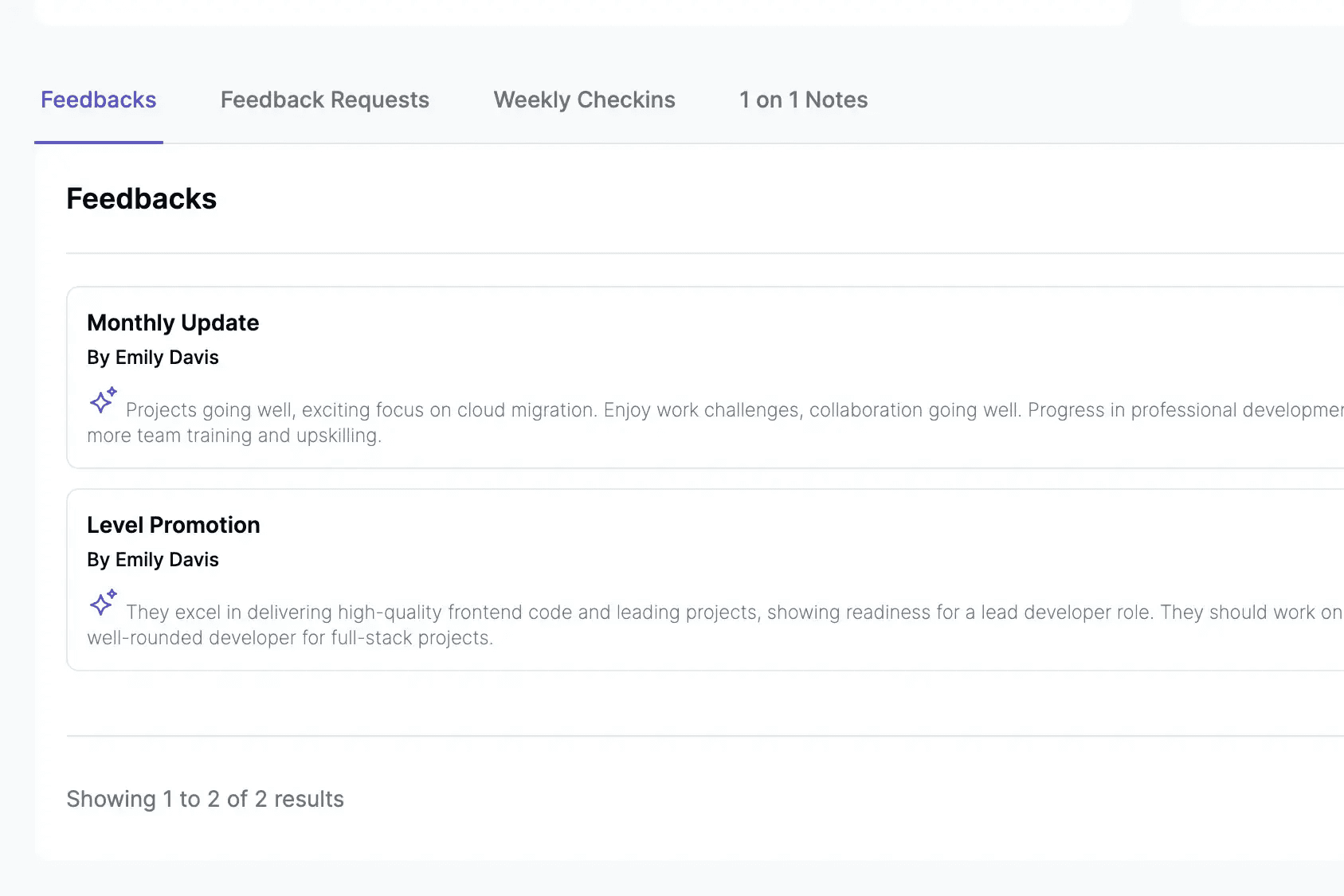
Keep dated examples, 1:1 notes, feedback, and level expectations in one place all year.
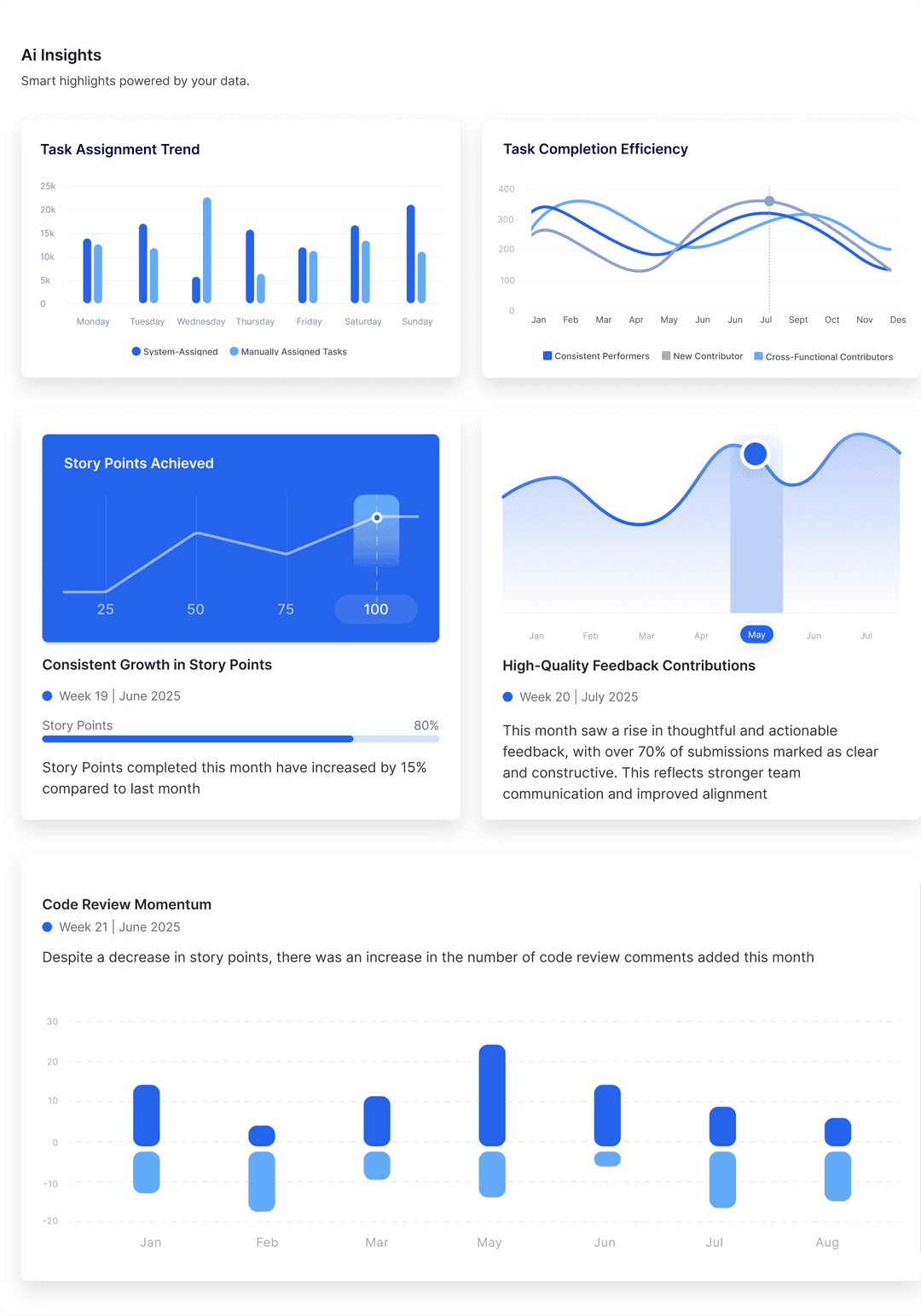
Connect AI assistant activity to shipped code, merge outcomes, and cost data. Paceflow gives engineering leaders the numbers behind AI adoption - not opinions, not surveys, not vanity metrics.
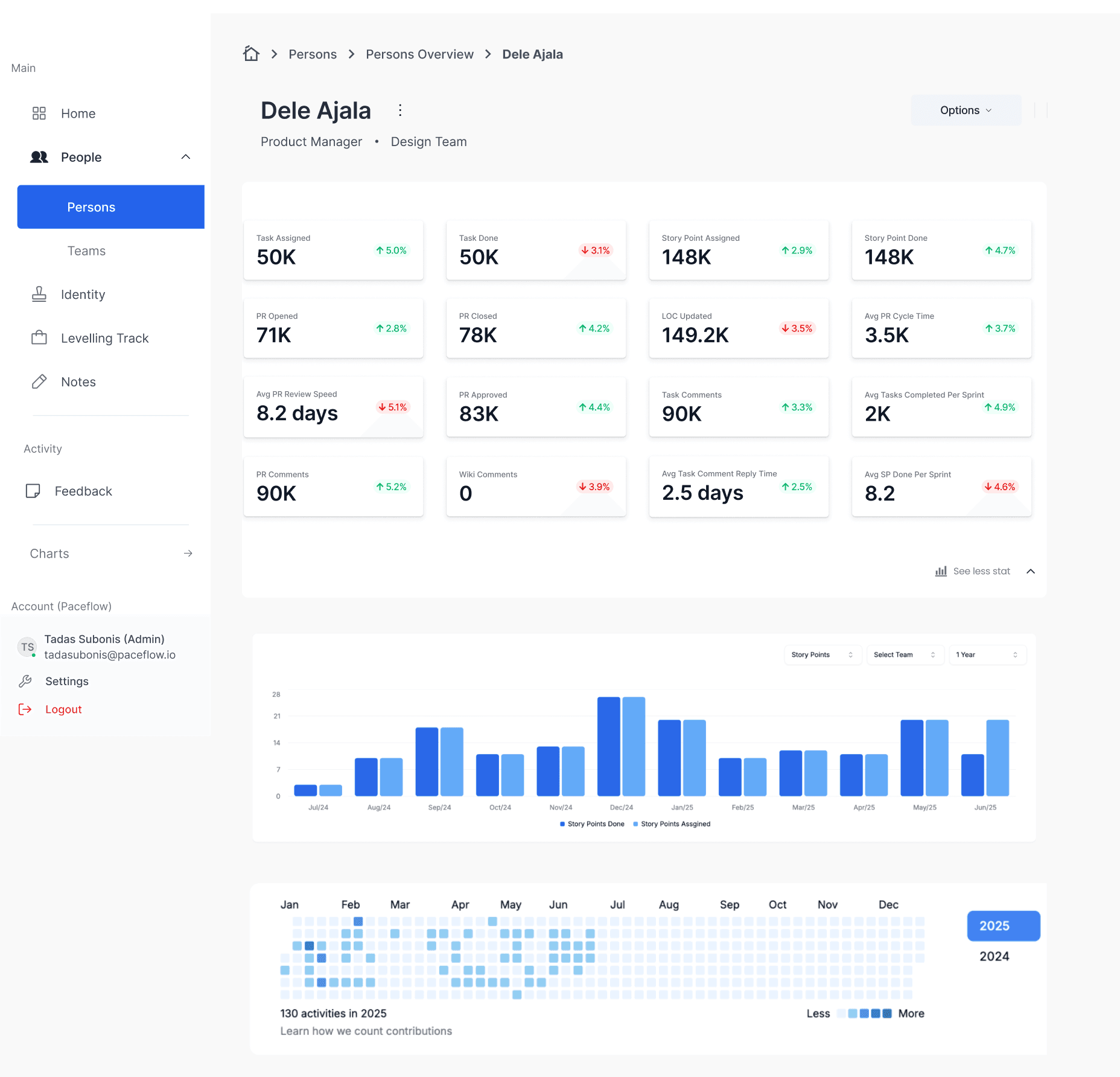
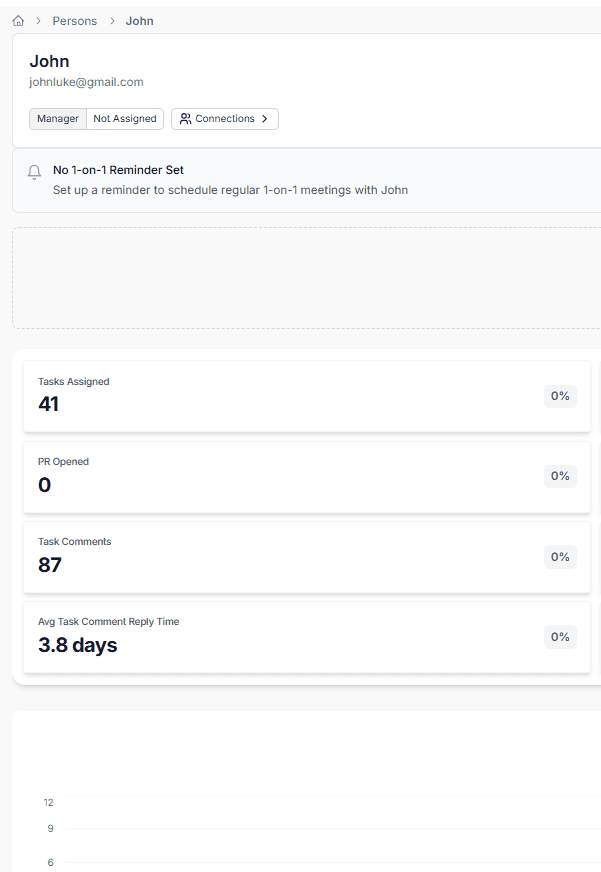


Paceflow reads delivery signals from your issue tracker and your code host, and collects feedback through Slack. Connect one source to get started. Add the rest whenever.
Every engineer gets their own account and sees their own delivery data, trends, and history in full. Not a summary you passed along. The same numbers you're looking at.
Paceflow gives you evidence for better management conversations. The judgment stays with the people having them.
No score, no rank, no leaderboard
No comparison of one engineer against another
Nothing tracked about someone's work that they can't open themselves
New · open source
paceflow is a free CLI your engineers run on their own machines. It reads their local Claude Code, Codex, Cursor, and OpenCode history alongside git, then shows whether AI-assisted work reached mainline and whether it held up. Local-first, MIT licensed, no account required.
Engineers install it because it answers a question they have about their own work. Teams can connect those metrics to Paceflow when they're ready to review AI outcomes together.
$ cargo binstall paceflow
$ paceflow ingest
$ paceflow quality
REPORT STATUS
delivery good
quality watch
cost goodSign up and connect Jira, Linear, ClickUp, GitHub, or Bitbucket
Paceflow pulls the last few months of delivery history automatically
Your team appears, populated, with no data entry from you
No implementation project, no admin rollout, nobody has to change how they work.
Free for small teams, no time limit. You start paying when you outgrow it.
For teams up to 7 contributors
For growing teams
Multiple teams, multiple managers
Concrete guides for performance reviews, hard feedback, 1:1s, and the management work nobody taught you before the title changed.
Learn how to run an effective Performance Improvement Plan (PIP) by diagnosing root causes, setting measurable goals, and supporting junior engineers fairly.
Learn how to replace gut-feel management with data-driven metrics to reduce bias, improve decisions, and build trust in engineering teams.
Learn how to run an ethical Performance Improvement Plan (PIP) with clear criteria, real support, and a fair path to success.
Connect one tool today and by the time reviews come around, the record writes itself.
Start freeFree for teams up to 7. No card.